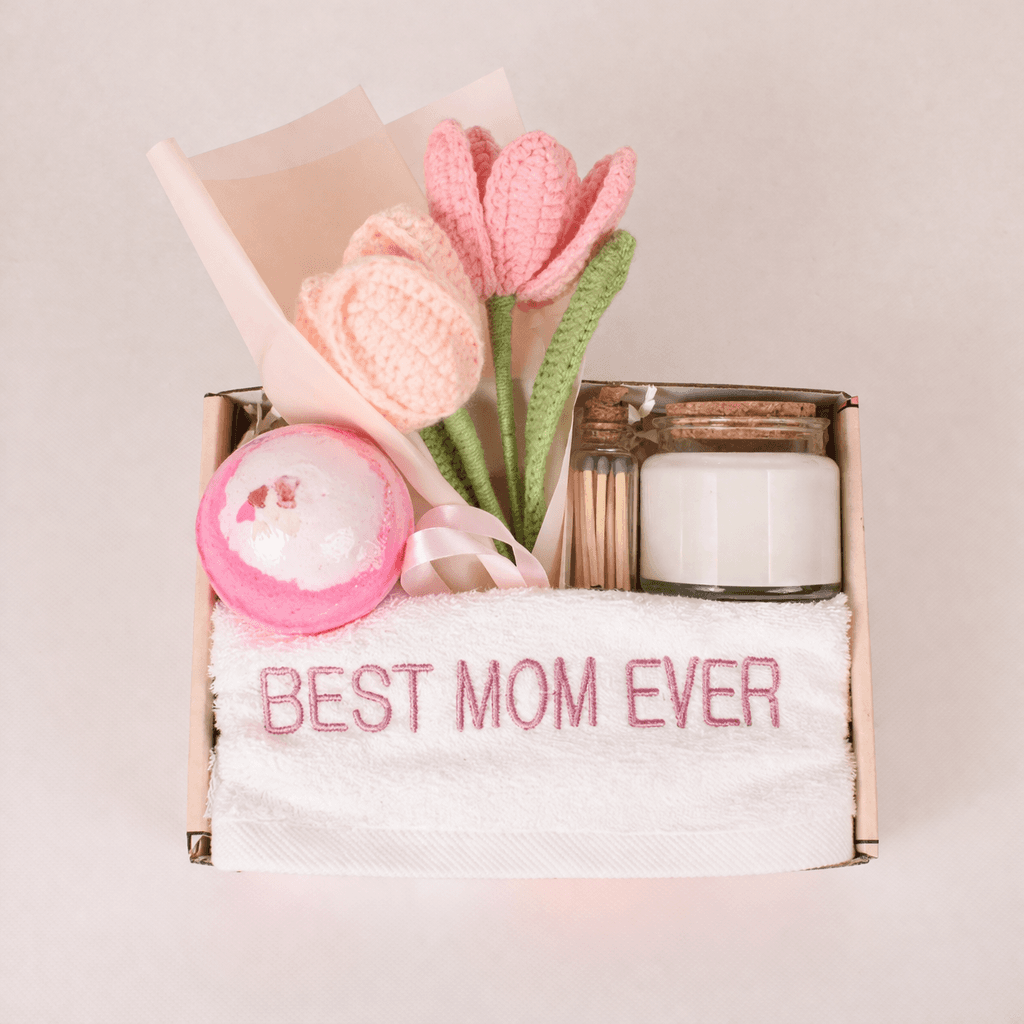
Gift-on-Demand (GoD) explained: how curated, multi-item gift sets differ from single-product print-on-demand, and why gifting is a stronger niche for sellers.
Print-on-demand solved a real problem: you can sell a physical product without buying inventory, and nothing gets made until a customer pays. But if you have tried selling t-shirts or mugs lately, you already know the catch. Millions of sellers use the same catalogs, the same mockups, and the same suppliers, and buyers can compare your $24 shirt against a nearly identical $16 one in a single search.
Gift-on-Demand is the next step past that ceiling. This guide explains what it is, how it differs from classic print-on-demand, and how to decide whether it fits your store.
The short definition
Gift-on-Demand (GoD) is an on-demand fulfillment model where the unit you sell is not a single printed product but a curated, assembled gift: multiple coordinated items, personalized, packed for gifting, and shipped as one presentation-ready box. Like print-on-demand, nothing is produced until an order comes in. Unlike print-on-demand, the value is in the curation, personalization, and presentation, not just the print.
A print-on-demand order is "a mug with a design on it." A gift-on-demand order is "a Mother's Day box with a custom-label soy candle, an engraved tumbler, and a printed card, arranged and ready to give."
What that looks like in the Printonic catalog


Where classic print-on-demand hits a ceiling
Print-on-demand remains a great way to start, and we say that as a print-on-demand platform. But three structural problems get worse every year:
- Saturation. The most popular POD products are commodities. When thousands of stores sell the same blank with different artwork, price becomes the main lever, and margins compress.
- Comparison shopping. Single products are easy to compare. A buyer who likes your design can often find a similar one cheaper, because the underlying product is identical.
- Low order value. One mug is a $15 to $25 order. Building a real business on single-item orders means you need a lot of them.
What gift-on-demand changes
The unit of sale is a curated set
A gift set is a composition. The seller (or the platform) chooses items that belong together for an occasion: a wedding, a graduation, a new baby, a corporate thank-you. Compositions are much harder to compare on price, because no two stores bundle exactly the same way. That protects margin.
Personalization is the point, not a gimmick
Gift buyers actively want names, dates, and messages on what they send. Personalization on a commodity product is a nice-to-have; on a gift it is the reason to buy. It also makes the order literally impossible to comparison shop.
Presentation is part of the product
A gift arrives once and gets judged instantly. Assembly, arrangement, and unboxing matter as much as print quality. This is the part most single-item POD sellers cannot do at all, because their supplier ships each item in whatever mailer is closest.
Occasions create built-in demand
Gifting demand is seasonal, recurring, and urgent. Mother's Day, weddings, graduations, and the holidays arrive every year, and buyers on a deadline choose the store that solves the whole problem (choose, personalize, wrap, ship) over the one that sells a component of it.
Seller tip
Occasions also solve the hardest marketing problem: knowing when your buyer is shopping. A "cute mug" buyer might show up any day or never. A Mother's Day buyer shows up every May, on a schedule you can plan inventory-free launches around.
Print-on-demand vs. gift-on-demand at a glance
| Print-on-Demand | Gift-on-Demand | |
|---|---|---|
| Unit of sale | Single printed product | Curated multi-item gift set |
| Typical order value | Low | Medium to high |
| Price comparison | Easy for buyers | Hard for buyers |
| Personalization | Optional add-on | Core of the purchase |
| Packaging | Generic mailer | Presentation-ready box |
| Demand pattern | Steady, trend-driven | Occasion-driven, recurring |
| Competition | Extremely high | Early and fragmented |
Who gift-on-demand fits
- Etsy sellers already benefit from the strongest gift-buying audience online. Etsy shoppers arrive with an occasion in mind, and sets built for that occasion convert on intent instead of price. If you sell there, see our Etsy print-on-demand integration.
- Shopify brands can use gift sets to raise average order value without raising ad spend, since one conversion carries multiple items.
- Corporate and event buyers (client gifts, employee onboarding, wedding parties) order sets in multiples, which single-item POD rarely captures. Our corporate gifting experience is built for this.
How it works in practice
On Printonic, the model works like classic print-on-demand from the seller's side: you connect your Etsy or Shopify store, publish products, and pay only when a customer orders. The difference is what ships. Curated sets are assembled at our US facility, items are personalized together, and the box goes out as one gift, typically produced in 1 to 3 business days. You can start from ready-made gift sets, browse the full product catalog, or explore occasion shops to see how sets are merchandised to buyers.
There are no minimums and no upfront costs; pricing is pay-per-order, the same way you would expect from POD.
Frequently asked questions
Is gift-on-demand just print-on-demand with bundles? Mechanically it starts there, but the operational difference is assembly and presentation. Bundling three items from a classic POD supplier usually means three separate mailers arriving on three days. A gift-on-demand order ships as one composed box.
Do I need my own designs to sell gift sets? It helps, but curation itself is value. Many successful sets combine tasteful defaults (a candle with a custom label, an engraved tumbler) where the personalization, not original artwork, drives the purchase.
Is the market really less saturated? Single-product POD has had a decade of gold-rush growth. Occasion-based, assembled gifting on demand is far younger, and the operational barrier (curation plus assembly plus personalization at once) keeps casual sellers out.
Can I test it without abandoning my current products? Yes. The usual path is adding one or two occasion sets alongside an existing store and comparing margin per order, not just conversion rate. Our gift set business guide walks through that math.
See what gift-on-demand looks like for your store
Browse ready-made gift sets, connect Etsy or Shopify, and pay only when a customer orders. No inventory, no minimums.