Print on demand and dropshipping both remove inventory, but they build very different gift businesses. A plain comparison of products, margins, shipping, branding and Etsy rules.
Print on demand and dropshipping get lumped together because both remove the warehouse. You list products, a supplier fulfills orders, and you never touch a box. For a gift shop, though, the two models build very different businesses, and the choice decides what you can sell, how you compete and which marketplaces will have you.
The short answer
- Dropshipping: you sell existing products that a supplier already makes and stocks. Fast to start, wide selection, but the same item is available to every other store, so you compete on price and ads.
- Print on demand: each product is made after the order, with your design or the buyer's personalization on it. Fewer products to choose from, but what you sell is yours, and it can be personal.
For gifts, personal usually wins. A gift buyer is looking for something that feels chosen for one person, and that is the thing print on demand does and dropshipping cannot.
Side by side
| Dropshipping | Print on demand | |
|---|---|---|
| Who makes the product | An existing manufacturer, made in advance | Your partner, made after each order |
| What makes it different | Selection, price, marketing | Your design and the buyer's personalization |
| Same item sold by other stores | Usually, yes | No, the design is yours |
| Personalization (names, dates, photos) | Rarely possible | Built in |
| Inventory and minimums | None for you; the supplier holds stock | None; nothing exists until it is ordered |
| Delivery time | Depends on where the supplier stocks goods | Production time plus transit |
| Etsy fit | Poor for generic resold items | Allowed when you design it and disclose the partner |
| Typical competition | Price and ad spend | Design, niche and occasion |
Where dropshipping makes sense
Dropshipping is a reasonable choice when the product itself is the draw: a branded item buyers already search for by name, a gadget, or a category where selection and fast delivery beat uniqueness. It also lets you test demand for a product type quickly before investing in design.
The catch is that your listing is rarely the only one. If a buyer can find the same item in another store, the cheaper listing usually wins. Margins get squeezed, and ad costs climb with every competitor that finds the same supplier.
Where print on demand makes sense
Print on demand fits anything where the design or personalization is the reason to buy, which describes most gifts: a candle labeled for a bridesmaid, a mug with a child's drawing, a set for a new home with the family name on every piece.
You trade a smaller catalog for products nobody else sells. That changes how you compete. Instead of fighting on price for one search term, you win on niche and occasion: Mother's Day, graduations, weddings, teacher gifts, corporate thank-yous. Each design can be listed for a different buyer.
Production time is the cost. A print-on-demand item is made before it ships, so total delivery is production plus transit. At Printonic most items are produced in 24 to 72 business hours and delivered in 2 to 5 business days within the US, so most domestic orders arrive within about a week.
Gift sets change the math
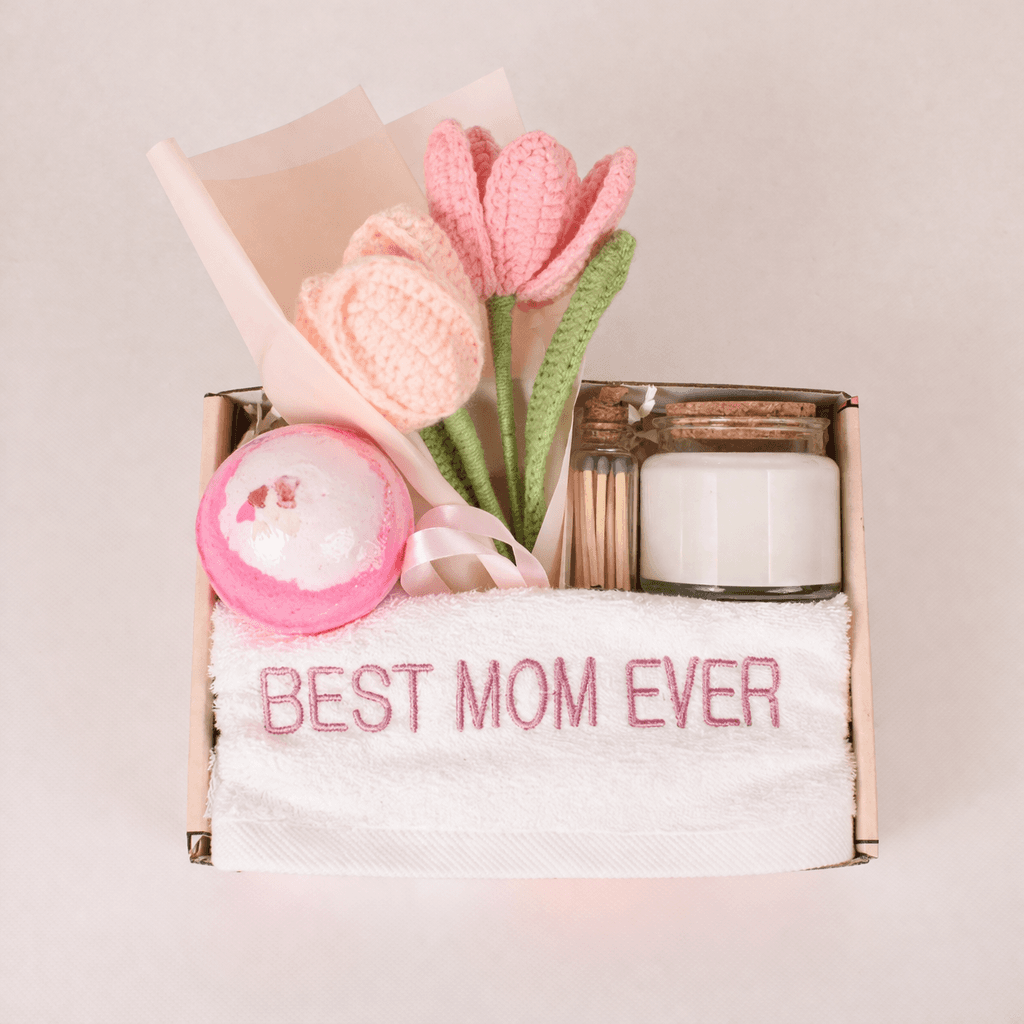
A single print-on-demand mug competes with every other custom mug. A finished gift set competes with other finished gifts, and buyers price those very differently. A candle, a mug and a card in one gift box sells against the cost of a curated present, which is why sets often carry a much higher margin than their parts. Our gift set pricing guide walks through a full cost stack.
Gift sets made to order


Sets are also where dropshipping struggles most. Bundling dropshipped items usually means several suppliers, several parcels and no gift presentation. With a print-on-demand partner that assembles sets, every item is made, boxed and shipped together.
Etsy is a deciding factor
If Etsy is your main channel, the decision is largely made for you. Etsy permits print on demand when you designed the artwork and you disclose your production partner in the listing. Reselling generic items you did not design or make is what runs into Etsy's handmade policy. A print-on-demand gift shop fits Etsy; a classic dropshipping store does not. Our Etsy print on demand guide covers the setup.
Can you do both?
Yes, and plenty of shops do. A common split is dropshipping for non-personal accessories on your own Shopify store and print on demand for anything with a name, a design or a set. Keep the personalized products as the core of the brand, since they are what buyers cannot find anywhere else.
How to start with print on demand gifts
- Pick one occasion your buyers already shop for, and design two or three products for it.
- Add one gift set for the same occasion so buyers can choose a finished present.
- Connect your Etsy, Shopify or WooCommerce store, publish the listings and let orders flow in.
Browse the catalog, see how gift sets work, or create a free account to start.